How to Spot Hidden Mold in Your Home: Myrtle Beach, SC Guide
Where Mold Hides in Lowcountry Homes
Mold thrives in environments where moisture lingers, and the coastal climate of Myrtle Beach creates ideal conditions for fungal growth year-round. During the humid summer months, when indoor air conditioning meets exterior heat and moisture, condensation forms in hidden spaces throughout your property. Understanding where mold prefers to establish colonies is the first step toward effective detection.
Bathrooms rank among the most vulnerable areas in any structure. The grout between shower tiles, the underside of sink cabinets, and the caulking around tubs provide perfect breeding grounds when water vapor accumulates after daily use. In the Lowcountry, where humidity rarely drops below 60 percent even during cooler months, these spaces remain damp long after you leave the room. Check behind toilets, underneath vanity bases, and along windowsills where condensation collects on glass panes.
Basements and crawl spaces present another high-risk zone. Many properties in the Myrtle Beach area feature crawl space foundations rather than full basements, and these dark, poorly ventilated areas trap moisture rising from the ground. Inspect floor joists, subflooring, and insulation for discoloration or musty odors. Even small leaks from plumbing running through these spaces can feed mold colonies for months before you notice surface damage upstairs.
HVAC systems circulate air throughout your entire structure, making them a critical checkpoint during any house inspection focused on air quality. Mold spores settle inside ductwork, on evaporator coils, and within drip pans when condensation forms during cooling cycles. If you detect a stale smell when your system starts, or if some rooms feel stuffier than others, fungal growth inside your ventilation network may be the cause. A thorough air quality testing protocol can pinpoint contamination before it spreads to living areas.
Attic spaces in coastal South Carolina homes often experience temperature swings that promote condensation on roof decking and insulation. Poor ventilation, combined with the region’s frequent afternoon thunderstorms, allows moisture to seep through roofing materials and linger on wooden surfaces. Examine the underside of your roof sheathing, around chimney flashings, and near bathroom or kitchen exhaust vents that terminate in the attic rather than outside. Even minor roof leaks can sustain hidden colonies for years without visible interior water stains.
Recognizing the Warning Signs of Hidden Fungal Growth
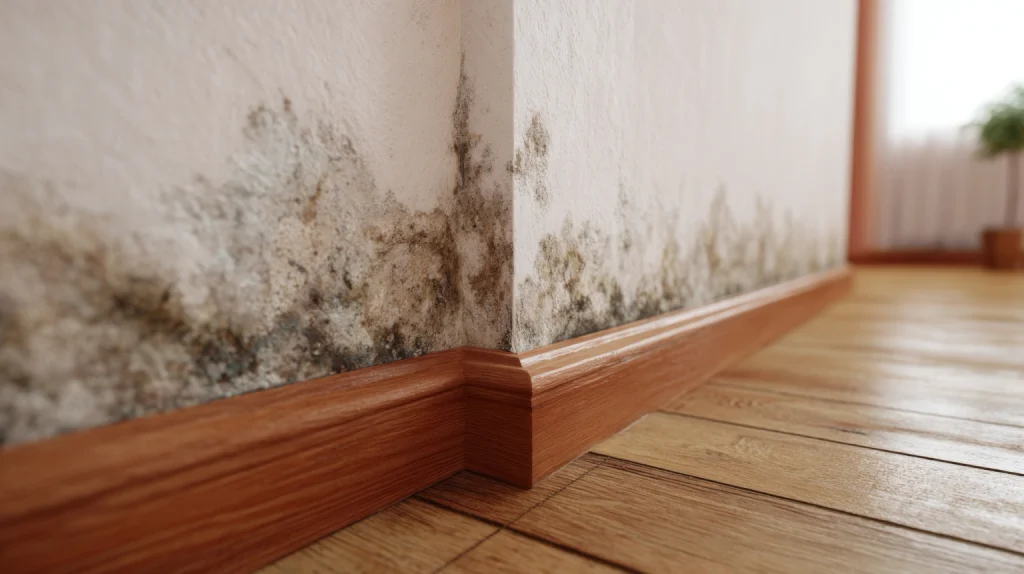
Visible mold colonies often signal a much larger problem lurking behind walls, under flooring, or within building cavities. Learning to interpret early warning signs allows you to act before contamination spreads and remediation costs escalate. The most obvious indicator is visual discoloration, ranging from black or green patches to orange or white fuzzy growth. These surface colonies typically emerge in corners, along baseboards, or near windows where temperature differentials cause condensation.
Odor serves as another powerful diagnostic tool. Mold produces volatile organic compounds that create a distinctive musty, earthy smell, similar to wet cardboard or rotting wood. If a particular room or closet carries a persistent stale odor that doesn’t dissipate with normal ventilation, fungal growth is likely present even if you cannot see it. Pay special attention to areas that smell worse after rain events, as increased atmospheric moisture can intensify off-gassing from hidden colonies.
Water stains on ceilings, walls, or floors point directly to moisture intrusion, the primary fuel for mold. In Myrtle Beach, where afternoon storms deliver heavy rainfall throughout spring and summer, roof leaks and foundation seepage are common culprits. Look for discolored patches that appear yellowish-brown or rust-colored, often with irregular edges that indicate water has migrated through porous materials. Even after the surface dries, mold may continue growing within the wall cavity or insulation if the moisture source persists.
Peeling paint or wallpaper suggests moisture is pushing outward from within the wall assembly. When water vapor moves through drywall or plaster, it weakens the bond between finish materials and the substrate, causing bubbling, cracking, or separation. This phenomenon is especially prevalent in older homes where vapor barriers were not installed during original construction. If you notice paint curling at seams or wallpaper lifting at corners, a mold inspection should include examination of the wall cavity with moisture meters or thermal imaging.
Health symptoms among occupants can also indicate hidden contamination. Persistent respiratory irritation, unexplained allergies, headaches, or fatigue that improve when you leave the property may result from airborne mold spores circulating through your ventilation system. While these symptoms alone do not confirm mold presence, they warrant investigation, particularly if multiple household members experience similar issues simultaneously. An indoor air quality monitor can measure spore counts and identify whether fungal contamination exceeds safe thresholds.
Step-by-Step Detection Methods You Can Use Today
Effective mold detection begins with a systematic walkthrough of your property, armed with a few basic tools and a methodical approach. Start by conducting a visual inspection of all areas where moisture commonly accumulates. Use a bright flashlight to examine dark corners, behind appliances, under sinks, and inside cabinets. Document any discoloration, water stains, or suspicious growth with photographs that include date stamps for future reference.
A moisture meter provides objective data about hidden water intrusion. These handheld devices measure the moisture content of building materials without requiring invasive testing. Pin-type meters use two metal probes that penetrate the surface, while pinless models use electromagnetic sensors to scan without damaging finishes. In coastal regions like Myrtle Beach, where humidity naturally elevates moisture readings, understanding baseline levels for different materials is essential. Wood framing should register below 16 percent moisture content, while drywall should stay under 1 percent. Readings above these thresholds indicate conditions favorable for mold growth.
Thermal imaging offers a non-invasive method to identify temperature anomalies that often correlate with moisture problems. Infrared cameras detect differences in surface temperature caused by evaporative cooling from wet materials or by air leaks that allow humid exterior air to infiltrate wall cavities. During a home inspection, thermal imaging can reveal hidden plumbing leaks, HVAC condensation issues, or roof penetrations that admit water during storms. While handheld thermal cameras have become more affordable for homeowners, interpreting the images correctly requires understanding how building materials respond to temperature changes.
Air sampling provides the most accurate assessment of airborne mold spore concentrations. Professional samplers use calibrated pumps to draw a measured volume of air through a collection medium, capturing spores for laboratory analysis. You can also purchase DIY mold test kits that use settling plates or adhesive strips, though these methods are less precise. For properties in humid climates, outdoor control samples are critical, as ambient spore counts naturally run higher in coastal environments compared to arid regions. If indoor counts exceed outdoor levels by a significant margin, or if toxic species are present, remediation becomes necessary.
Physical inspection of HVAC components should be part of any detection protocol. Remove supply and return vent covers and inspect the visible interior surfaces of ductwork for dust accumulation mixed with organic debris, which provides food for mold. Examine the drip pan beneath your air handler for standing water or slimy residue. Replace air filters monthly during peak cooling season and check whether they show unusual discoloration or odor between changes. If your system includes a whole-house dehumidifier, verify it is draining properly and maintaining indoor humidity below 55 percent, the threshold above which mold growth accelerates dramatically in South Carolina’s climate.
When to Call a Certified Inspector for Mold Assessment
Not all mold discoveries require immediate alarm, but understanding when fungal growth poses genuine health or structural risks helps you prioritize action appropriately. Small surface colonies on non-porous materials, such as a few spots on bathroom tile grout, can often be cleaned with appropriate solutions and improved ventilation. However, when mold penetrates porous materials like drywall, insulation, or wood framing, surface cleaning alone will not eliminate the problem. The organism’s root structure, called mycelium, extends deep into the substrate and continues producing spores even after visible growth is removed.
Health implications vary depending on the species present and the sensitivity of occupants. While most common household molds produce allergic reactions rather than toxic effects, certain species such as Stachybotrys chartarum (often called black mold) produce mycotoxins that can cause severe respiratory distress, neurological symptoms, and immune suppression with prolonged exposure. Individuals with asthma, compromised immune systems, or pre-existing respiratory conditions face higher risk from any mold exposure. If household members experience worsening symptoms that correlate with time spent in specific rooms, or if very young children or elderly individuals reside in the property, prioritizing air quality testing becomes critical.
Structural damage from prolonged moisture exposure often accompanies significant mold colonization. In Myrtle Beach’s humid environment, where wooden framing and subflooring remain at elevated moisture levels for extended periods, fungal growth accelerates decomposition of cellulose-based materials. This process weakens structural members, compromises sheathing integrity, and creates conditions for secondary pest infestations such as termites or carpenter ants that prefer already-degraded wood. A home inspection that identifies active mold growth should always include assessment of the affected structural components to determine whether repairs or replacement are necessary before remediation begins.
The scope of contamination determines whether homeowner-level cleaning is appropriate or whether containment and removal by trained technicians is required. Colonies covering less than ten square feet of surface area, with no hidden extension into wall or ceiling cavities, can often be addressed with proper cleaning protocols and source elimination. Larger infestations, or those involving HVAC contamination, require containment measures to prevent spore dispersal during removal, negative air pressure systems to protect unaffected areas, and disposal of porous materials that cannot be effectively cleaned. Attempting to remove extensive mold without proper containment can spread spores throughout your property and worsen contamination.
Knowing when to transition from DIY assessment to engaging qualified services protects both your property value and occupant health. If moisture intrusion is ongoing rather than resulting from a one-time event, if the affected area exceeds what you can safely access and clean, if health symptoms persist despite surface cleaning, or if air sampling reveals elevated spore counts or toxic species, scheduling a thorough mold inspection provides the documentation and remediation roadmap necessary for effective resolution. In real estate transactions, disclosure of known mold issues is often required, making formal testing valuable for both buyers and sellers seeking to understand the true condition of a property before closing.
Taking Action Against Hidden Mold
While homeowners can perform basic visual inspections and monitor moisture levels, certain situations demand the specialized tools and training that only a certified inspector can provide. When you detect persistent musty odors without a visible source, experience recurring respiratory symptoms that improve when you leave the property, or discover water damage that has remained unaddressed for more than 48 hours, scheduling a thorough assessment becomes essential.
DIY detection methods have clear limitations. You cannot see inside wall cavities, beneath flooring systems, or within HVAC ductwork without invasive investigation. Thermal imaging technology reveals temperature differentials that indicate moisture intrusion behind finished surfaces, while specialized moisture meters measure humidity levels deep within building materials. Air quality testing identifies mold spore concentrations throughout your indoor environment, providing objective data about contamination levels that visual inspection alone cannot capture.
In coastal South Carolina, where salt air accelerates corrosion of building materials and high humidity creates year-round moisture challenges, a house inspection that includes mold sampling offers invaluable insight into conditions that remain hidden from casual observation. If you are purchasing property in the Myrtle Beach area, requesting ancillary services such as air samples during your home inspection provides baseline data about indoor air quality before you take ownership.
After discovering active mold growth, determining the full extent of contamination requires systematic testing across multiple locations. A certified inspector will collect surface samples from affected areas, air samples from various rooms, and cavity samples from suspected concealed growth zones. Laboratory analysis identifies specific mold species, helping you understand whether the fungi present pose elevated health risks or indicate ongoing water intrusion.
Even if you successfully locate visible colonies, determining the underlying moisture source often requires diagnostic equipment and building science knowledge beyond typical homeowner capabilities. A leaking roof, condensation within wall assemblies, plumbing failures, or inadequate ventilation may all produce similar symptoms. Identifying and correcting the root cause prevents recurrence after remediation, protecting your investment and ensuring a healthy indoor environment.
If you suspect hidden mold growth in your Myrtle Beach home or need to verify the success of previous remediation efforts, we invite you to schedule a mold inspection that includes thermal imaging and air quality testing. Our systematic approach to detection helps you make informed decisions about your property’s condition and any necessary next steps.